

Introducing NatureSpeaks – The Language of the Earth!

Check out Jin’s introduction to his groundbreaking new course NatureSpeaks! If you want to truly build more meaning and spirituality into your life, look no further! Get the course at a discount here!
Use Center-Point Purity to Uplift Your Life!

If you ever wondered how nature’s wisdom can be directly applied towards improving your life this video is for you!
In just under 12 minutes, learn how through embedding center point purity in the emotional, thought, and spiritual centers of your life, your larger life will naturally be happier and uplifted!
Deforestation: Where is the world losing the most?

Environmental protection is a practice of protecting the natural environment on individual, organization controlled on governmental levels, for the benefit of both the environment and humans. Due to the pressures of overconsumption, population and technology, the biophysical environment is being degraded, sometimes permanently. This has been recognized, and governments have begun placing restraints on activities that cause environmental degradation.
There is no agreement on the extent of the environmental impact of human activity and even scientific dishonesty occurs, so protection measures are occasionally debated.
In industrial countries, voluntary environmental agreements often provide a platform for companies to be recognized for moving beyond the minimum regulatory standards and thus support the development of best environmental practice.
The challenges that exist with these agreements lie in establishing baseline data, targets, monitoring and reporting. Due to the difficulties inherent in evaluating effectiveness, their use is often questioned and, indeed, the whole environment may well be adversely affected as a result. The key advantage of their use in developing countries is that their use helps to build environmental management capacity.
An ecosystems approach to resource management and environmental protection aims to consider the complex interrelationships of an entire ecosystem in decision making rather than simply responding to specific issues
Ideally the decision-making processes under such an approach would be a collaborative approach to planning and decision making that involves a broad range of stakeholders across all relevant governmental departments, as well as representatives of industry, environmental groups and community.
This approach ideally supports a better exchange of information, development of conflict-resolution strategies and improved regional conservation. Religions also play an important role in conservation of environment.
Get inside the hidden world of the mysterious jaguar

Environmental protection is a practice of protecting the natural environment on individual, organization controlled on governmental levels, for the benefit of both the environment and humans. Due to the pressures of overconsumption, population and technology, the biophysical environment is being degraded, sometimes permanently. This has been recognized, and governments have begun placing restraints on activities that cause environmental degradation.
There is no agreement on the extent of the environmental impact of human activity and even scientific dishonesty occurs, so protection measures are occasionally debated.
In industrial countries, voluntary environmental agreements often provide a platform for companies to be recognized for moving beyond the minimum regulatory standards and thus support the development of best environmental practice.
The challenges that exist with these agreements lie in establishing baseline data, targets, monitoring and reporting. Due to the difficulties inherent in evaluating effectiveness, their use is often questioned and, indeed, the whole environment may well be adversely affected as a result. The key advantage of their use in developing countries is that their use helps to build environmental management capacity.
An ecosystems approach to resource management and environmental protection aims to consider the complex interrelationships of an entire ecosystem in decision making rather than simply responding to specific issues
Ideally the decision-making processes under such an approach would be a collaborative approach to planning and decision making that involves a broad range of stakeholders across all relevant governmental departments, as well as representatives of industry, environmental groups and community.
This approach ideally supports a better exchange of information, development of conflict-resolution strategies and improved regional conservation. Religions also play an important role in conservation of environment.
What archaeology is telling us about our forests
Environmental protection is a practice of protecting the natural environment on individual, organization controlled on governmental levels, for the benefit of both the environment and humans. Due to the pressures of overconsumption, population and technology, the biophysical environment is being degraded, sometimes permanently. This has been recognized, and governments have begun placing restraints on activities that cause environmental degradation.
There is no agreement on the extent of the environmental impact of human activity and even scientific dishonesty occurs, so protection measures are occasionally debated.
In industrial countries, voluntary environmental agreements often provide a platform for companies to be recognized for moving beyond the minimum regulatory standards and thus support the development of best environmental practice.
The challenges that exist with these agreements lie in establishing baseline data, targets, monitoring and reporting. Due to the difficulties inherent in evaluating effectiveness, their use is often questioned and, indeed, the whole environment may well be adversely affected as a result. The key advantage of their use in developing countries is that their use helps to build environmental management capacity.
An ecosystems approach to resource management and environmental protection aims to consider the complex interrelationships of an entire ecosystem in decision making rather than simply responding to specific issues
Ideally the decision-making processes under such an approach would be a collaborative approach to planning and decision making that involves a broad range of stakeholders across all relevant governmental departments, as well as representatives of industry, environmental groups and community.
This approach ideally supports a better exchange of information, development of conflict-resolution strategies and improved regional conservation. Religions also play an important role in conservation of environment.
What’s white, and one of Earth’s rarest creatures?
Environmental protection is a practice of protecting the natural environment on individual, organization controlled on governmental levels, for the benefit of both the environment and humans. Due to the pressures of overconsumption, population and technology, the biophysical environment is being degraded, sometimes permanently. This has been recognized, and governments have begun placing restraints on activities that cause environmental degradation.
There is no agreement on the extent of the environmental impact of human activity and even scientific dishonesty occurs, so protection measures are occasionally debated.
In industrial countries, voluntary environmental agreements often provide a platform for companies to be recognized for moving beyond the minimum regulatory standards and thus support the development of best environmental practice.
The challenges that exist with these agreements lie in establishing baseline data, targets, monitoring and reporting. Due to the difficulties inherent in evaluating effectiveness, their use is often questioned and, indeed, the whole environment may well be adversely affected as a result. The key advantage of their use in developing countries is that their use helps to build environmental management capacity.
An ecosystems approach to resource management and environmental protection aims to consider the complex interrelationships of an entire ecosystem in decision making rather than simply responding to specific issues
Ideally the decision-making processes under such an approach would be a collaborative approach to planning and decision making that involves a broad range of stakeholders across all relevant governmental departments, as well as representatives of industry, environmental groups and community.
This approach ideally supports a better exchange of information, development of conflict-resolution strategies and improved regional conservation. Religions also play an important role in conservation of environment.
A partnership to advance deep sea exploration
Environmental protection is a practice of protecting the natural environment on individual, organization controlled on governmental levels, for the benefit of both the environment and humans. Due to the pressures of overconsumption, population and technology, the biophysical environment is being degraded, sometimes permanently. This has been recognized, and governments have begun placing restraints on activities that cause environmental degradation.
There is no agreement on the extent of the environmental impact of human activity and even scientific dishonesty occurs, so protection measures are occasionally debated.
In industrial countries, voluntary environmental agreements often provide a platform for companies to be recognized for moving beyond the minimum regulatory standards and thus support the development of best environmental practice.
The challenges that exist with these agreements lie in establishing baseline data, targets, monitoring and reporting. Due to the difficulties inherent in evaluating effectiveness, their use is often questioned and, indeed, the whole environment may well be adversely affected as a result. The key advantage of their use in developing countries is that their use helps to build environmental management capacity.
An ecosystems approach to resource management and environmental protection aims to consider the complex interrelationships of an entire ecosystem in decision making rather than simply responding to specific issues
Ideally the decision-making processes under such an approach would be a collaborative approach to planning and decision making that involves a broad range of stakeholders across all relevant governmental departments, as well as representatives of industry, environmental groups and community.
This approach ideally supports a better exchange of information, development of conflict-resolution strategies and improved regional conservation. Religions also play an important role in conservation of environment.
What you didn’t know about the Grand Canyon

Environmental protection is a practice of protecting the natural environment on individual, organization controlled on governmental levels, for the benefit of both the environment and humans. Due to the pressures of overconsumption, population and technology, the biophysical environment is being degraded, sometimes permanently. This has been recognized, and governments have begun placing restraints on activities that cause environmental degradation.
There is no agreement on the extent of the environmental impact of human activity and even scientific dishonesty occurs, so protection measures are occasionally debated.
In industrial countries, voluntary environmental agreements often provide a platform for companies to be recognized for moving beyond the minimum regulatory standards and thus support the development of best environmental practice.
The challenges that exist with these agreements lie in establishing baseline data, targets, monitoring and reporting. Due to the difficulties inherent in evaluating effectiveness, their use is often questioned and, indeed, the whole environment may well be adversely affected as a result. The key advantage of their use in developing countries is that their use helps to build environmental management capacity.
An ecosystems approach to resource management and environmental protection aims to consider the complex interrelationships of an entire ecosystem in decision making rather than simply responding to specific issues
Ideally the decision-making processes under such an approach would be a collaborative approach to planning and decision making that involves a broad range of stakeholders across all relevant governmental departments, as well as representatives of industry, environmental groups and community.
This approach ideally supports a better exchange of information, development of conflict-resolution strategies and improved regional conservation. Religions also play an important role in conservation of environment.
Rain forests are the most endangered habitats
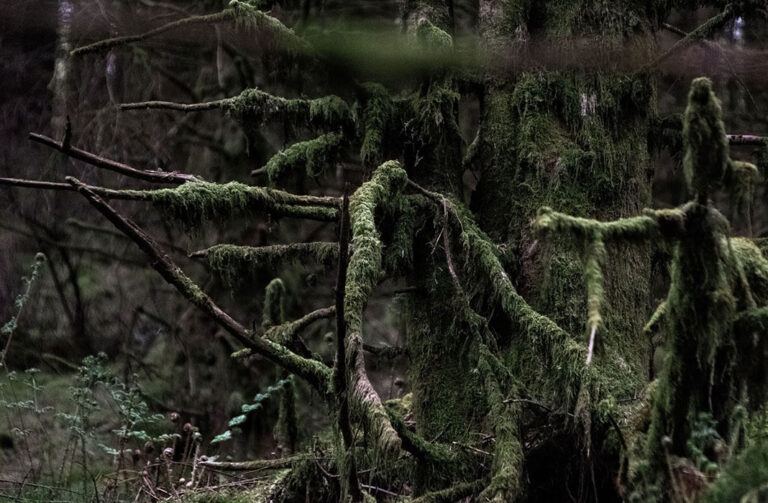
Environmental protection is a practice of protecting the natural environment on individual, organization controlled on governmental levels, for the benefit of both the environment and humans. Due to the pressures of overconsumption, population and technology, the biophysical environment is being degraded, sometimes permanently. This has been recognized, and governments have begun placing restraints on activities that cause environmental degradation.
There is no agreement on the extent of the environmental impact of human activity and even scientific dishonesty occurs, so protection measures are occasionally debated.
In industrial countries, voluntary environmental agreements often provide a platform for companies to be recognized for moving beyond the minimum regulatory standards and thus support the development of best environmental practice.
The challenges that exist with these agreements lie in establishing baseline data, targets, monitoring and reporting. Due to the difficulties inherent in evaluating effectiveness, their use is often questioned and, indeed, the whole environment may well be adversely affected as a result. The key advantage of their use in developing countries is that their use helps to build environmental management capacity.
An ecosystems approach to resource management and environmental protection aims to consider the complex interrelationships of an entire ecosystem in decision making rather than simply responding to specific issues
Ideally the decision-making processes under such an approach would be a collaborative approach to planning and decision making that involves a broad range of stakeholders across all relevant governmental departments, as well as representatives of industry, environmental groups and community.
This approach ideally supports a better exchange of information, development of conflict-resolution strategies and improved regional conservation. Religions also play an important role in conservation of environment.